Skin
Hormonal Acne: Causes, Triggers and Treatment Options
Hormonal acne explained: what triggers it, how it differs from other acne and how doctors treat it, from creams to the combined pill. See when to get help.
In this article
By Medilife Wellness Clinic. Medically reviewed by the Medilife Wellness Clinic medical team.
Hormonal acne is acne linked to hormone changes, such as the days before a period, pregnancy, puberty or polyendocrine metabolic ovarian syndrome (PMOS). The NHS says women are more likely than men to have adult acne, and many cases are thought to be linked to hormone changes. The sources read do not define hormonal acne as a separate diagnosis.
Quick Answer: Hormonal Acne at a Glance
- What it is: acne driven or worsened by hormone changes, with the same blocked follicles as other acne, says Mayo Clinic.
- Common triggers: a flare before a period, the first 3 months of pregnancy and PMOS, says the NHS.
- Hormone link in puberty: androgens rise in boys and girls and enlarge the oil glands, says Mayo Clinic.
- Time to results: 2 to 3 months for many treatments, says the NHS, and up to a year for the combined pill.
- See a doctor: for deep, painful or scarring spots, or when self-treatment is not working, says the NHS.
What is hormonal acne?
Hormonal acne is acne in which hormone changes play a main part. Acne forms when hair follicles block with oil and dead skin cells, says the NHS, and bacteria then cause inflammation. Mayo Clinic describes the same process. Hormones act on the oil glands, which the NHS calls particularly sensitive to hormones. Acne usually affects the face, chest and back, says the NHS.
What causes hormonal acne?
Hormone changes increase oil production, and the table lists the triggers named by the sources. Androgens are hormones such as testosterone that stimulate the oil glands.
The NHS adds that a high glycaemic index diet and smoking are possible triggers. Stress does not cause acne, but it can make existing acne worse, says Mayo Clinic.
Does diet cause hormonal acne?
Diet is a possible trigger, not a proven cause. The NHS lists high glycaemic index diets as a possible trigger. Mayo Clinic says studies indicate that carbohydrate-rich foods such as bread, bagels and chips may worsen acne, and that further study is needed. Mayo Clinic says chocolate and greasy food have little to no effect. MedlinePlus says there is little evidence that foods have much effect on acne in most people. None of these pages names dairy.
How is hormonal acne treated?
Treatment depends on severity, and many treatments take 2 to 3 months to work. The table summarises the options in the NHS and Mayo Clinic pages. A doctor prescribes everything except the over-the-counter products.
The NHS says the progestogen-only pill or implant can sometimes make acne worse. Hormonal treatments carry risks, so a doctor reviews your history first.
How is a hormone cause checked?
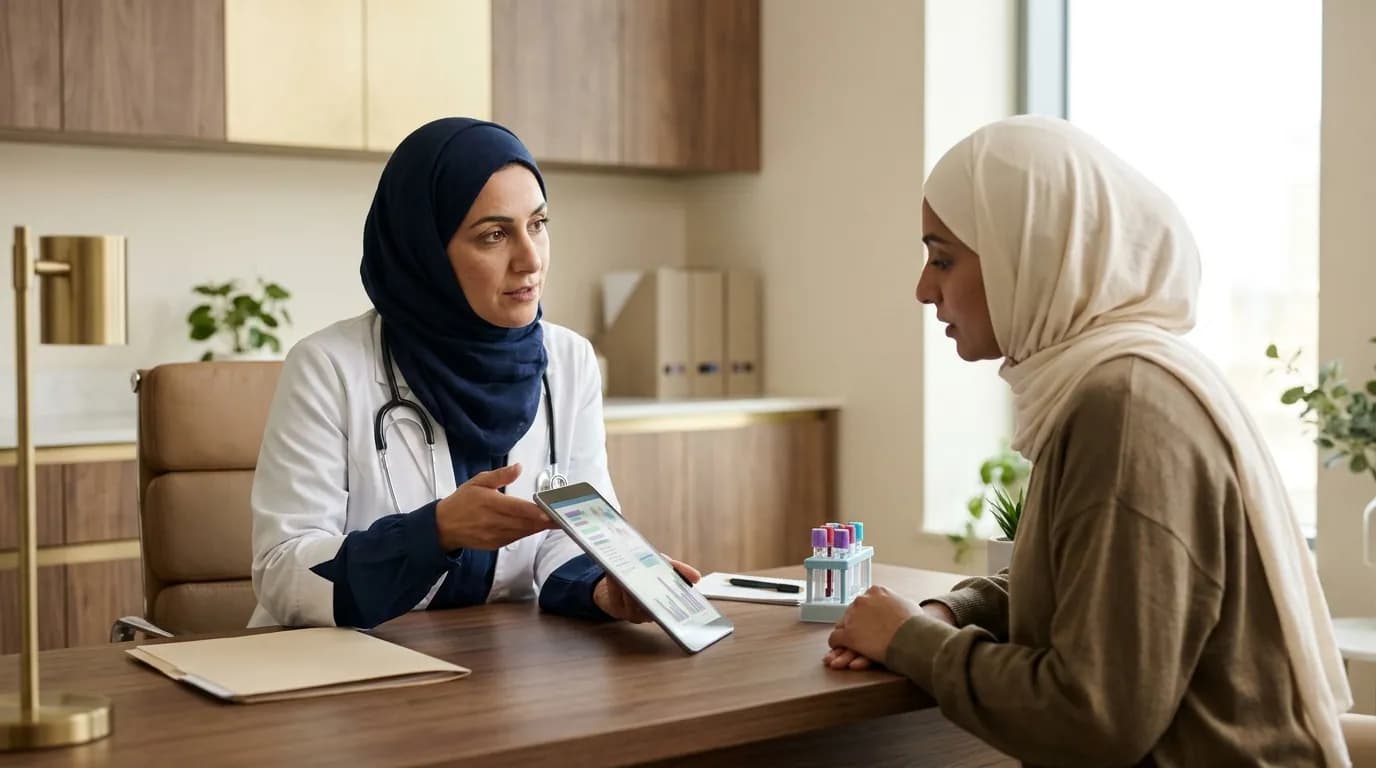
A doctor checks for a hormone condition when acne comes with other signs. The NHS lists irregular periods, excess hair growth or hair loss, weight gain and difficulty getting pregnant as PMOS symptoms. The NHS says PMOS testing uses blood tests for hormone levels and insulin resistance, plus an ultrasound scan of the ovaries for people over 18. Mayo Clinic says a sudden onset of severe acne in older adults may signal an underlying disease.
When should you see a doctor about acne?
See a doctor when spots are deep, painful or leaving scars, or when self-treatment has not worked. The NHS also lists signs of skin infection, such as hot, swollen, red skin, and acne that affects mental health. Mayo Clinic advises a doctor visit when over-the-counter products have not helped after several weeks. Early treatment lowers the risk of scarring, says Mayo Clinic. Do not pick or squeeze spots, because the NHS says this can cause scars.
How does Medilife Wellness Clinic treat acne?
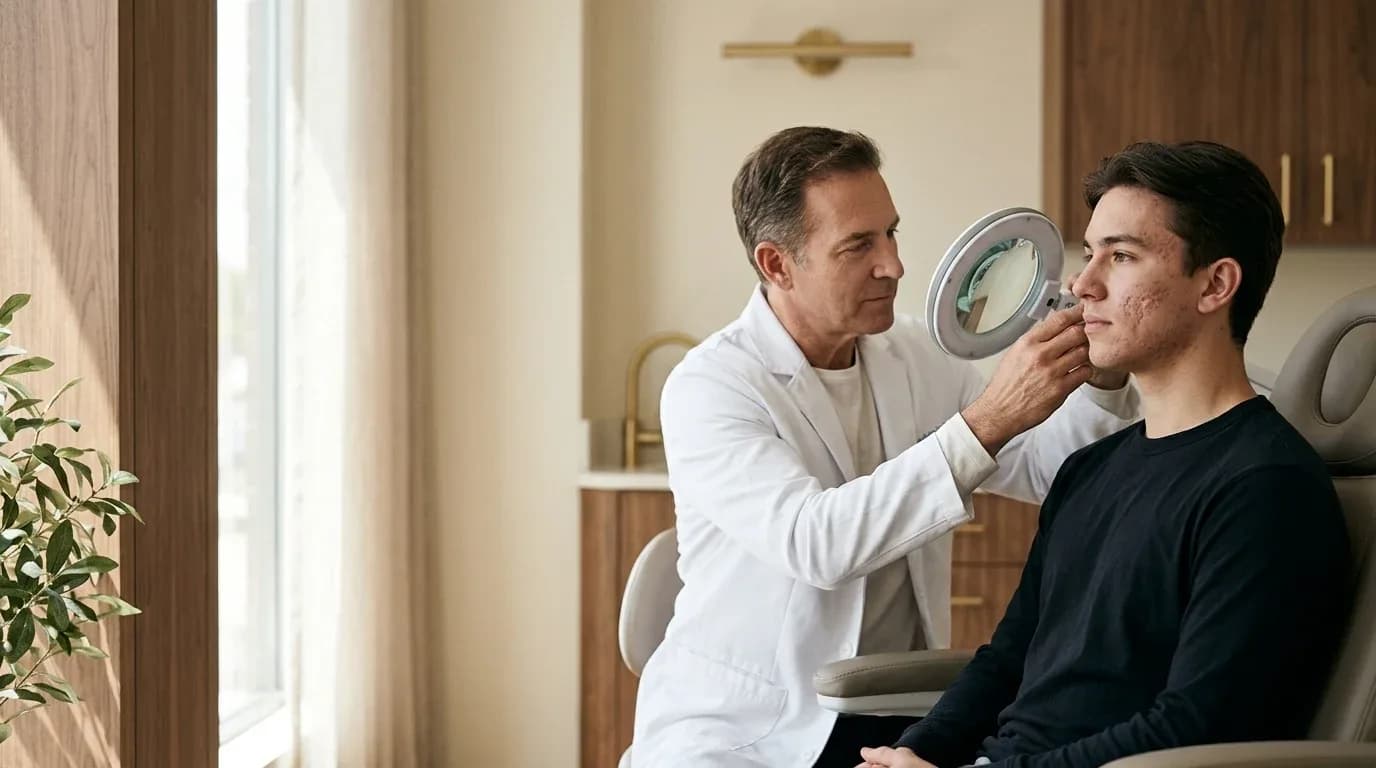
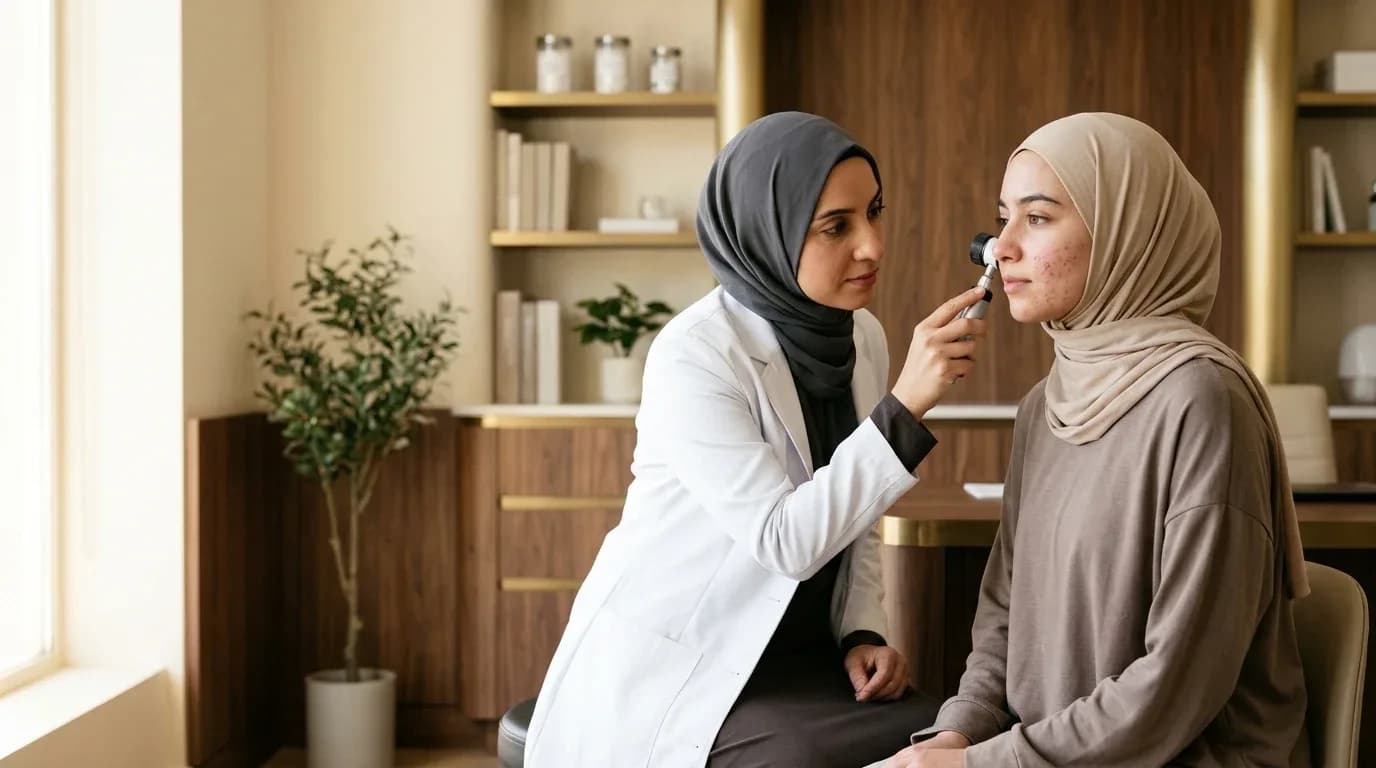
At Medilife Wellness Clinic in XL Tower, Business Bay, a doctor examines your skin, identifies the type of acne and agrees a plan with you. The clinic is open 24 hours a day, 7 days a week. Prescription treatments follow a doctor's assessment. For treatment details, see Acne Treatment in Dubai.
Frequently Asked Questions
Can men get hormonal acne?
Yes. Mayo Clinic says androgens rise in boys and girls at puberty and enlarge the oil glands.
Does stress cause hormonal acne?
No. Mayo Clinic says stress does not cause acne but can make existing acne worse.
Can pregnancy cause acne?
Yes. The NHS says acne can appear in pregnancy, usually in the first 3 months.
How long does the combined pill take to clear acne?
Full benefit can take up to a year, says the NHS. Mayo Clinic says the benefit may not show for a few months.
Sources
- NHS. Acne (last reviewed 22 September 2026). https://www.nhs.uk/conditions/acne/
- NHS. Acne: Causes (last reviewed 3 January 2023; next review was due 3 January 2026). https://www.nhs.uk/conditions/acne/causes/
- NHS. Acne: Treatment (last reviewed 3 January 2023; next review was due 3 January 2026). https://www.nhs.uk/conditions/acne/treatment/
- NHS. Polyendocrine metabolic ovarian syndrome (PMOS) (last reviewed 30 June 2026). https://www.nhs.uk/conditions/polyendocrine-metabolic-ovarian-syndrome-pmos/
- Mayo Clinic. Acne: Symptoms and causes (20 July 2024). https://www.mayoclinic.org/diseases-conditions/acne/symptoms-causes/syc-20368047
- Mayo Clinic. Acne: Diagnosis and treatment (20 July 2024). https://www.mayoclinic.org/diseases-conditions/acne/diagnosis-treatment/drc-20368048
- MedlinePlus, National Library of Medicine. Acne (last updated 12 October 2024). https://medlineplus.gov/acne.html